
🖍️ Homeschooling Abroad: How to Teach Culture and Everyday Life to Kids Living Overseas
“Everything these days is dinosaurs or princesses.”
That’s how our follower Carolina—originally from Colombia, now living in Australia—started her message to me.
She homeschools her 5-year-old son. And like many parents raising kids abroad, she wasn’t looking for just another activity to fill time. She was looking for something that actually helped her child understand the world he’s growing up in.
That’s one of the least talked about parts of homeschooling abroad.
It’s not just about teaching content.
It’s about teaching context.
🌍 What changes when you homeschool abroad
When you’re raising and educating a child outside your home country, two things are happening at the same time:
you’re teaching the basics (reading, writing, numbers)
and you’re helping your child make sense of a new culture
And most traditional materials don’t cover that second part.
Children’s content tends to repeat the same themes—dinosaurs, princesses, characters that could exist anywhere. They entertain, but they don’t necessarily help a child understand where they actually are.
For families living abroad, that gap shows up quickly.
Your child is living in a new country… but the materials they’re using don’t reflect that reality.
🧠 Why teaching culture matters in homeschooling
For this mom in Australia, it wasn’t about teaching more.
It was about teaching what actually matters.
She wanted to:
help her son understand everyday life around him
expand his vocabulary through real-world context
build familiarity with their environment
reduce that quiet sense of “this doesn’t feel like mine”
Because for kids, everything is learning.
But not everything creates a sense of belonging.
And when you’re raising children abroad, belonging matters.
✏️ What actually works for homeschooling abroad
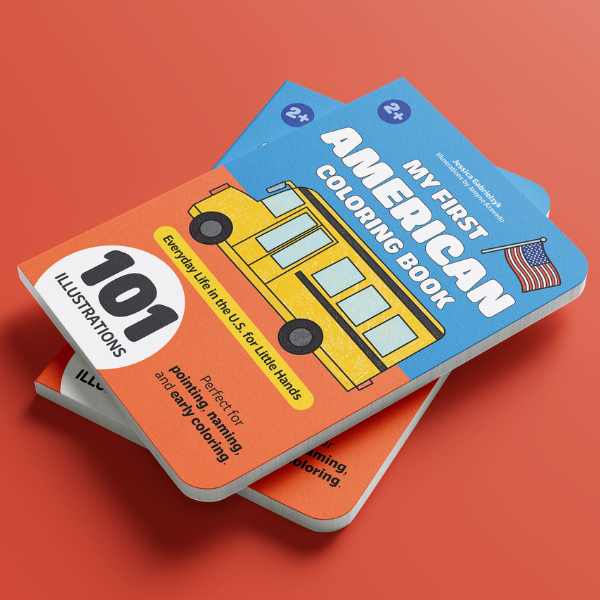
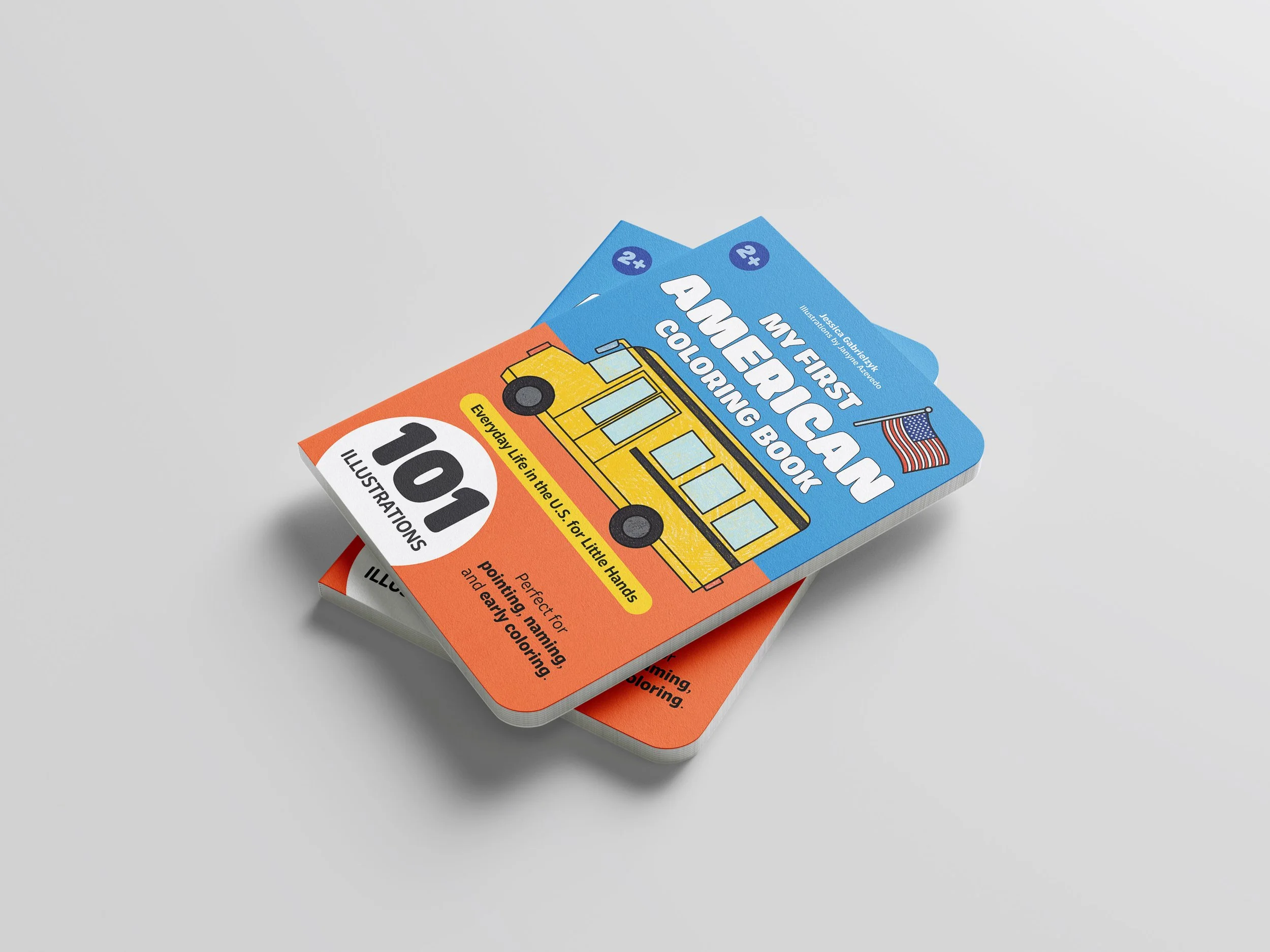
That’s when she came across My First American Coloring Book by Jessica Gabrielzyk , author of Parenting Unpacked and Maternity Abroad.
It’s simple. But what stood out to her was this: it reflects everyday life.
Not distant characters.
But real things.
a school bus
a lunchbox
daily routines
familiar details from real life
“Very creative. It’s a breath of fresh air.” She said about the book.
And that’s exactly it.
It’s not about reinventing education.
It’s about bringing learning closer to a child’s reality.
🌎 When learning becomes connection
When I told her this wasn’t a one-off book—but part of a series by Jessica Gabrielzyk—she got even more excited.
Because then homeschooling becomes something bigger than learning.
It becomes exploration.
Different countries.
Different routines.
Different ways of living.
And that opens the door to something deeper:
kids growing up understanding that the world isn’t just one version of life.
💡 What to consider when homeschooling abroad
If you’re homeschooling your child outside your home country, here’s something worth thinking about:
You don’t always need more content.
You need more relevant content.
Simple questions can guide you:
Does this reflect my child’s reality?
Does this help them understand where they live?
Does this create connection—or just distraction?
Because homeschooling abroad isn’t just about education.
It’s about adaptation.
Identity.
And building a sense of belonging.
🤍 A different way to think about it
That message started with a simple frustration:
“everything is dinosaurs or princesses.”
But what she was really saying was something deeper:
She was looking for something that made sense.
And maybe that’s what’s missing from most conversations about homeschooling abroad.
Less repetition.
More reality.
More world.
Frequent Asked Questions
What is homeschooling abroad?
Homeschooling abroad is educating your child at home while living in a different country, often adapting learning to a new cultural environment.
How do you teach culture through homeschooling?
By using materials and experiences that reflect everyday life in the country where the child lives, helping them understand and connect to their surroundings.
What materials work best for homeschooling abroad?
Materials that show real-life routines, environments, and cultural elements—rather than generic or repetitive themes.
Does homeschooling help kids adapt to a new country?
Yes. When done intentionally, it can help children understand their environment and build a stronger sense of belonging.




Pregnant or giving birth abroad? Explore the top 5 books for navigating foreign healthcare, culture shock, postpartum recovery, and expat motherhood.